What Is a Marketing Strategy?
A practical guide for small businesses and beginners
Introduction
Many small businesses invest time and money into marketing but still struggle to see results. The most common reason is not a lack of effort or budget, it is the absence of a clear marketing strategy.
A marketing strategy is not a single advert, social media post, or website. It is the structured thinking behind all marketing actions, ensuring that every decision supports a clear business goal.
This article explains what a marketing strategy is, how many you should have, when it is needed, and how it should be implemented effectively.
1. What Is a Marketing Strategy?
A marketing strategy is a long-term, high-level plan that defines:
Who your ideal customer is
What you want to achieve (growth, leads, sales, awareness)
How you will reach and persuade your audience
Where your marketing will take place (channels and platforms)
Why customers should choose you over competitors
In simple terms:
A marketing strategy answers “What are we trying to achieve, and how will marketing help us get there?”
It guides all marketing activities, from branding and messaging to advertising, content creation, and customer engagement.
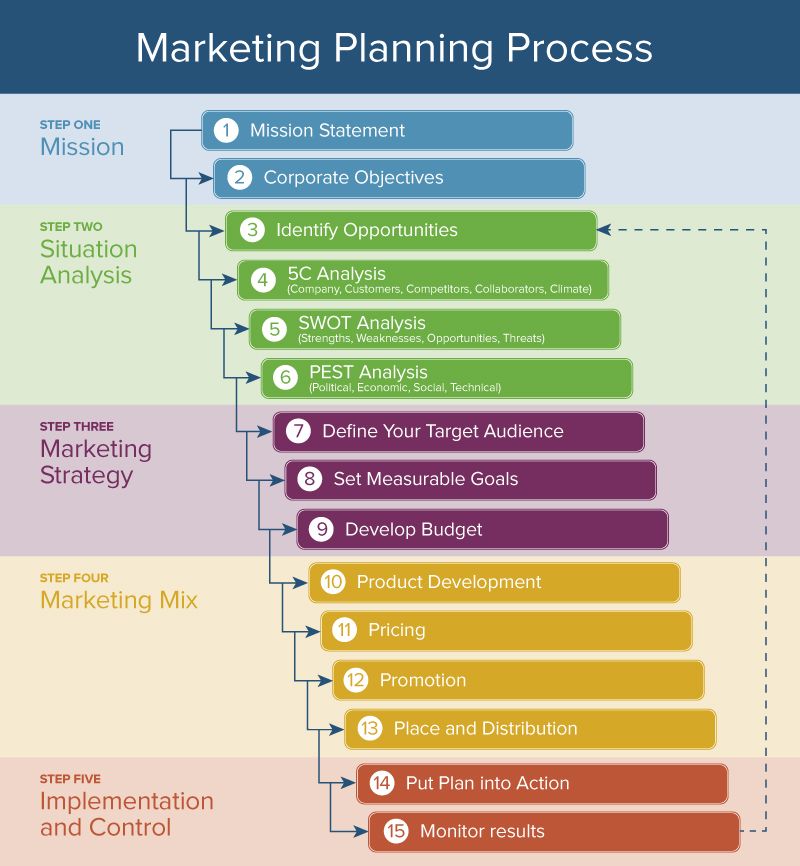
2. Marketing Strategy vs Marketing Plan (Important Distinction)
Many beginners confuse these two terms.
Marketing Strategy
Long-term (6–36 months)
Sets direction and positioning
Focuses on goals, audience, and competitive advantage
Changes infrequently
Marketing Plan
Short-term (monthly or quarterly)
Tactical and execution-focused
Includes campaigns, content calendars, budgets, and timelines
Changes regularly
Think of it this way:
The strategy is the map.
The plan is the route you drive this month.
4. When Is a Marketing Strategy Needed?
A marketing strategy is needed before marketing begins — not after money has already been spent.
You should create or revisit a marketing strategy when:
Starting a new business
Launching a new product or service
Rebranding or repositioning
Entering a new market or location
Experiencing stagnant sales or poor marketing results
Scaling operations or increasing staff
Increasing marketing budget
If your marketing feels reactive, inconsistent, or unclear, it is a strong indicator that a strategy is missing or outdated.
5. Key Components of an Effective Marketing Strategy
A strong marketing strategy typically includes the following elements:
1. Business Objectives
Clear, measurable goals such as:
Increase monthly leads by 30%
Grow brand awareness in a specific region
Improve conversion rate from website traffic
2. Target Audience
A defined customer profile, including:
Demographics (age, location, income)
Behaviour (online habits, buying triggers)
Pain points and needs
3. Value Proposition
What makes your business different?
Faster service
Better quality
Local expertise
Pricing advantage
Trust and reliability
4. Marketing Channels
Where your audience is most active:
Google Search
Social media platforms
Email marketing
Website content
Paid advertising
5. Brand Messaging
Consistent tone, language, and visual identity that builds recognition and trust.
6. Measurement and KPIs
Clear metrics to track success:
Website traffic
Leads
Sales
Cost per acquisition
Return on investment (ROI)
6. How Should a Marketing Strategy Be Implemented?
Implementation is where many strategies fail. A good strategy must be translated into action.
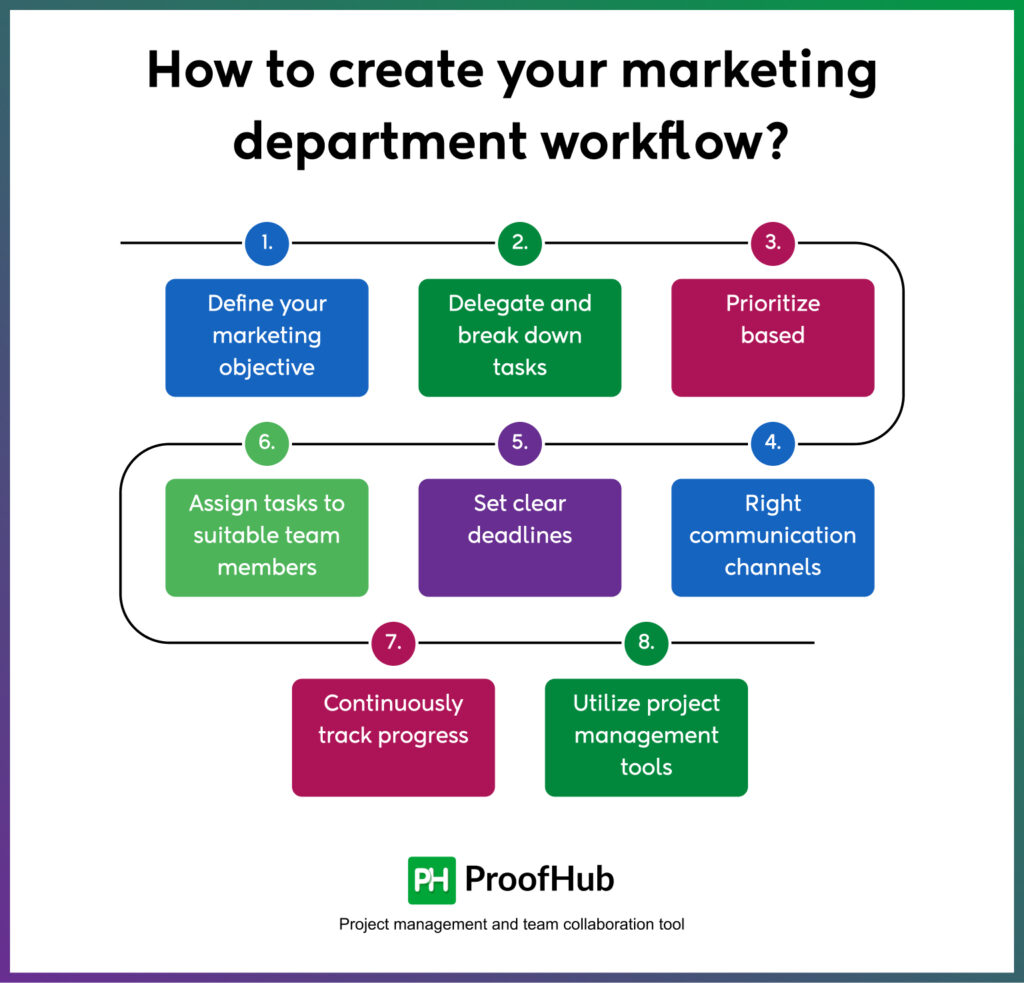
Step 1: Break Strategy into Actions
Convert high-level goals into practical tasks:
Website optimisation
Content creation
Advertising campaigns
Social media posting schedules
Step 2: Assign Responsibility
Decide:
Who creates content
Who manages advertising
Who tracks results
This could be internal staff, an agency, or a combination.
Step 3: Set Realistic Timelines
Marketing is cumulative. Most strategies require:
3–6 months to show momentum
6–12 months to show strong results
Step 4: Track and Review Performance
Monitor data regularly and adjust tactics without changing the core strategy too quickly.
Step 5: Refine and Improve
Marketing strategies should evolve based on:
Customer feedback
Performance data
Market conditions
Business growth stages
7. Common Marketing Strategy Mistakes to Avoid
Marketing without clear goals
Copying competitors without differentiation
Using too many platforms without focus
Expecting instant results
Changing strategy too frequently
Measuring vanity metrics instead of real outcomes
A strategy should provide clarity and consistency, not confusion.
Want more marketing content like this?
join our newsletter for weekly tips shared with you!
Subscribe to our newsletter to receive weekly digital marketing tips and insights directly from @Nelspruit Marketing via email!.
Conclusion
A marketing strategy is the foundation of sustainable business growth. It provides direction, focus, and purpose to every marketing activity, ensuring that time and money are invested wisely.
For small businesses and beginners, the goal is not complexity — it is clarity. One well-defined marketing strategy, implemented consistently and reviewed regularly, will always outperform scattered marketing efforts without direction.
Marketing does not fail because businesses do not try hard enough.
It fails because they try without a strategy.


